
tempered glass tempered glass
Understanding Metal Measuring Tools Essential Equipment for Precision Work In the world of manufacturing, engineering, and craftsmanship, precision is paramount. Whether it involves fabricating intricate parts for machinery or creating bespoke designs, accurate measurements are the backbone of quality output. Metal measuring tools play a critical role in this process, enabling professionals to achieve the exact specifications required in various applications. This article explores some of the most commonly used metal measuring tools, their purposes, and best practices for their use. 1. Calipers Calipers are versatile and widely used metal measuring tools essential for any workshop. They are primarily used to measure the distance between two opposite sides of an object. There are different types of calipers, including digital calipers, vernier calipers, and dial calipers. Digital calipers provide a clear, easy-to-read measurement on a digital display, while vernier and dial calipers offer analog readings that require a bit of interpretation. The maximum inside and outside dimensions can be measured, making calipers suitable for a wide range of tasks, from measuring shaft diameters to checking the thickness of sheet metal. 2. Micrometers For those needing even finer measurements, micrometers are the go-to tools. Micrometers are designed to measure small dimensions with great accuracy, usually down to one-thousandth of a millimeter. These tools operate on a screw mechanism that allows for minute adjustments, making them ideal for measuring the thickness of materials, such as sheets of metal or wire. They come in various designs, including outside micrometers, inside micrometers, and depth micrometers, each tailored for specific measuring needs. 3. Tape Measures While often associated with construction, tape measures are indispensable metal measuring tools in many metalworking applications. They are typically made of a flexible metal ribbon marked with measurements, allowing for easy measurement of lengths and widths. Tape measures also come in various lengths, with some retractable models providing convenience for storage and portability. Using a tape measure ensures accurate measurement over longer spans, crucial for cutting or shaping larger metal sections. metal measuring tools 4. Height Gauges Height gauges are essential when precision vertical measurements are necessary. These tools are utilized primarily in machining and inspection processes to determine the height of a workpiece or transfer measurements from a blueprint. Height gauges can be found in both manual and digital forms. Modern digital height gauges offer the added benefit of displaying measurements electronically, allowing for easier reading and recording. 5. Gage Blocks Gage blocks, also known as Johansson Gage blocks, are precision blocks of known dimensions used to calibrate measuring tools and ensure accuracy. These blocks come in various sizes and can be stacked to achieve specific measurements. They serve as a standard reference against which other tools can be measured. This is particularly important in environments where precision is critical, such as in aerospace or automotive engineering. 6. Levels and Squares Though not measuring tools in the traditional sense, levels and squares are indispensable for ensuring that measurements and cuts are square and true. A level ensures that a surface is perfectly horizontal or vertical, crucial when setting up machinery or assembling components. Squares, especially carpenter's squares and machinist's squares, help verify right angles, making them essential for fabrication and assembly. Conclusion Investing in quality metal measuring tools is foundational for anyone engaged in metalworking, whether a seasoned professional or a hobbyist. The precision these tools offer directly impacts the quality of work produced and ultimately determines the success of any project. Understanding the diverse range of tools available and their specific uses enables users to make informed choices for their measuring needs. By employing best practices and regularly calibrating tools, professionals can ensure that their measurements remain accurate and reliable, ultimately contributing to the high standards of workmanship that define excellence in the metalworking industry.
about
tempered glass tempered glass
The Importance of Pressure Water Valves in Modern Systems In today’s complex infrastructure, pressure water valves play a crucial role in various applications, ranging from municipal water supply systems to industrial processes. These valves are instrumental in regulating water pressure, ensuring efficiency, safety, and reliability in fluid dynamics. In this article, we will explore the significance of pressure water valves, their functions, types, and the technology driving their advancement. Understanding Pressure Water Valves Pressure water valves are mechanical devices designed to control the flow and pressure of water within a system. They can modulate, redirect, or shut off water flow as needed, maintaining the desired pressure levels and preventing potential damages or failures in the system. Properly functioning pressure valves are vital for both residential and commercial systems, ensuring that water supply remains consistent and safe. Key Functions of Pressure Water Valves 1. Pressure Regulation One of the primary functions of pressure water valves is to maintain stable water pressure within set parameters. This regulation helps in preventing excessive pressure that can lead to pipe bursts, leaks, or system failures. 2. Flow Control These valves allow for precise control over the amount of water flowing through a system. Users can adjust the valve settings to match specific requirements, ensuring efficient use of water resources. 3. Safety Mechanism Pressure water valves serve as safety devices . In case of pressure surges, these valves can automatically close or divert the flow, preventing potential damage to the entire system. 4. Protection Against Backflow Many pressure water valves include backflow prevention features, ensuring that contaminated water does not flow back into the main supply, thus protecting public health. Types of Pressure Water Valves pressure water valve There are various types of pressure water valves, each designed for specific applications - Pressure Relief Valves These valves automatically release excess pressure from the system, ensuring it does not exceed safe levels. They are critical in industrial applications where high-pressure systems are commonplace. - Pressure Reducing Valves These devices lower the incoming water pressure to a predetermined level, making them essential for residential homes where municipal water supply pressure might be too high for safe use. - Control Valves Used extensively in automated systems, control valves adjust flow rates based on signals from pressure sensors or other control systems, ensuring that the system operates within desired parameters. Advances in Technology The field of pressure water valves has seen significant technological advancements in recent years. Smart valves equipped with sensors and IoT capabilities allow for real-time monitoring and adjustments. These innovations improve efficiency, reduce water waste, and ensure better management of resources. The integration of predictive maintenance technology is another exciting development. By utilizing data analytics, operators can anticipate issues before they occur, reducing downtime and maintenance costs. As technology continues to evolve, the role of pressure water valves in ensuring the smooth operation of water systems will become increasingly sophisticated. Conclusion In conclusion, pressure water valves are indispensable components in the management and distribution of water across various systems. Their ability to regulate pressure, control flow, and provide essential safety mechanisms underpins the efficiency and reliability of modern water infrastructure. As technology progresses, the evolution of pressure water valves will continue to enhance their functionality, ensuring that they meet the challenges of today’s ever-growing water demands. It is vital for engineers, operators, and users to understand the importance of these valves in safeguarding water systems, contributing to efficient and sustainable management of one of our most precious resources.
-

High quality industrial productsagement

High quality industrial products
View Details -

Meet the diverse needs of customers

Meet the diverse needs of customers
View Details -

Strict quality control

Strict quality control
View Details -

Top raw materials

Top raw materials
View Details -

Trusted supplier

Trusted supplier
View Details
Our application


news and information
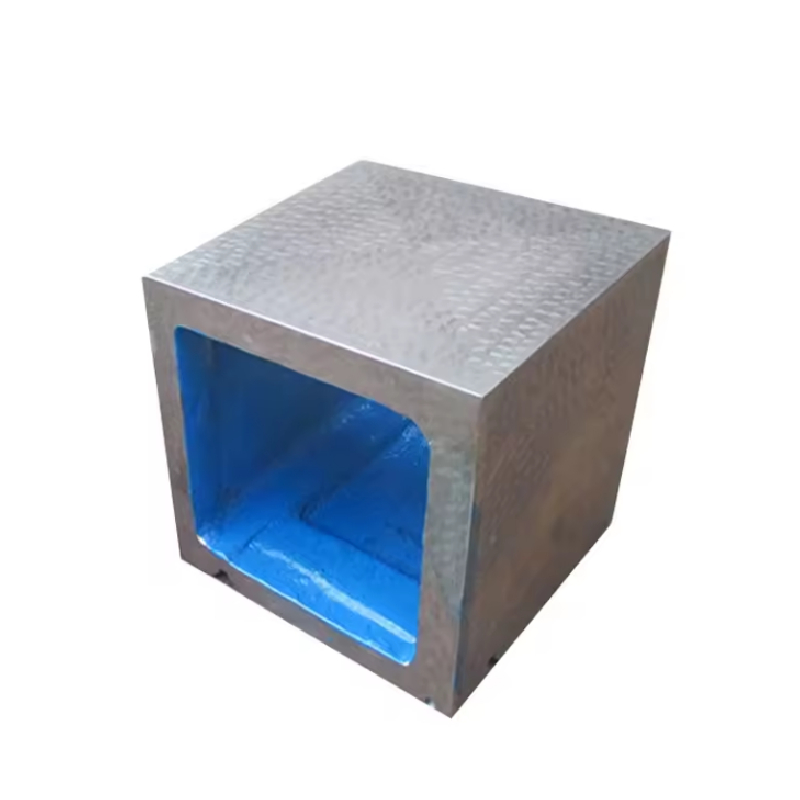
Versatile and Durable Galvanized Strut Pipe Clamps for Secure Industrial Applications and Constructi
The Importance of Galvanized Strut Pipe Clamps in Construction and Infrastructure In the world of co
water valves
Understanding Water Valves Essential Components in Fluid Control Water valves are critical component

Valve Wholesale - High-Quality Valve Supply for All Industrial Needs
Understanding Valve Wholesale An Essential Component in Industrial Supply Chains In the realm of ind
 English